Meshy, for marketing
What it is, where it's used, what it does for marketing — with real examples — how we'd apply it at Articulate, and the alternatives. Worked example, live: a furniture photo → a rotatable 3D model.
1 · What Meshy is
An AI 3D model generator: prompt or photo in, a textured, export-ready 3D asset out in about a minute — it also auto-rigs and animates characters. The image-to-3D engine is wired into our stack right now.
2 · Marketing galleries — what's possible
Non-Meshy showcases of 3D & AR in live marketing — AR Lenses, WebAR campaigns, product configurators and immersive-web awards. This is the bar to aim at; Meshy is how you produce the assets affordably.
 Snap AR — branded LensesAR Lenses & try-on at consumer scale — billions of plays for brands.
 8th Wall (Niantic) — WebARThe agency gallery of no-app WebAR brand experiences.
 The FWACutting-edge interactive, 3D & AR work — the digital-craft awards.
 Awwwards — 3D / immersiveThe best 3D and immersive marketing websites, judged.
 Emersya — 3D/AR commerceInteractive 3D product & configurator showcase for brands.
 VNTANA — 3D product viewersFashion, footwear & furniture 3D/AR viewers in live commerce.
 Zakeke — 3D personalisationLive 3D product variants & personalisation for e-commerce.
 London Dynamics — configuratorsReal configurator examples across auto, furniture & more.
3 · Where Meshy is used
It plugs into the standard creative and game pipelines, with native exports.
 UnityNative FBX/GLB import; heavily used by indie devs for props & characters.
 Unreal EngineOfficial import guide; drop assets straight into UE5.
 BlenderNative plugin pulls generated models into the scene for cleanup & render.
 Roblox & mobileLow-poly exports suit Roblox, mobile and real-time pipelines.
 Sketchfab / web ARGLB/USDZ embeds for web viewers and 'view in your room' AR.
 3D printing (Form Now)Exports STL/3MF; print integration from prompt to physical object.
4 · Use cases within marketing
Where AI 3D earns its keep for brands and agencies.
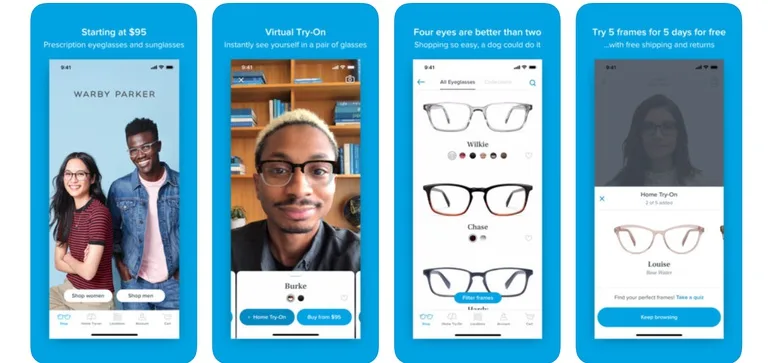
Product 3D & AR for e-commerce
Photo → 360° spin + 'view in your room' AR. The highest-ROI marketing use.

Social motion content
Rigged, looping characters & product turntables for Reels/TikTok/LinkedIn.
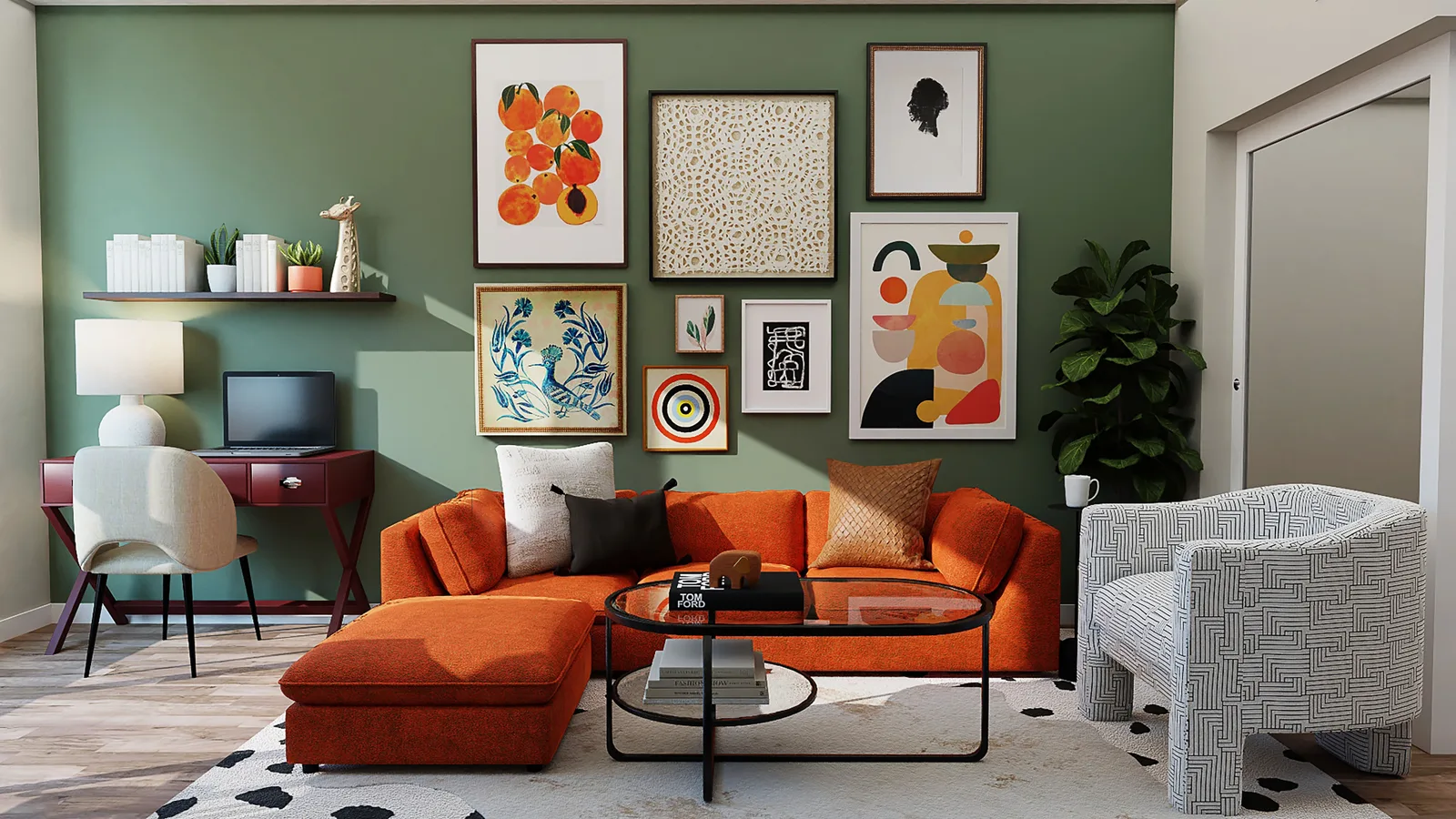
Real-estate & interior staging
Furnish and restyle empty listings; stills + walkthroughs, no stager.
Ad & campaign creative
Interactive 3D hero objects & configurators for paid social and display.
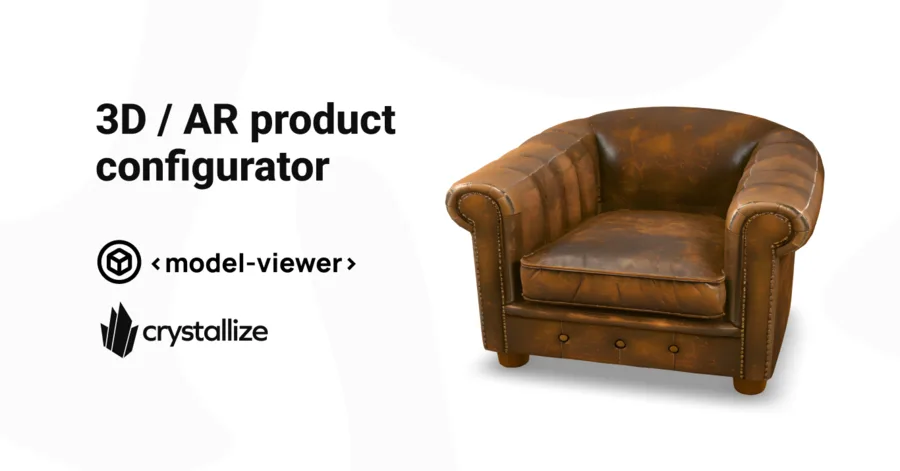
Packaging & product viz
Pre-visualise packaging, merch and variants before manufacturing.
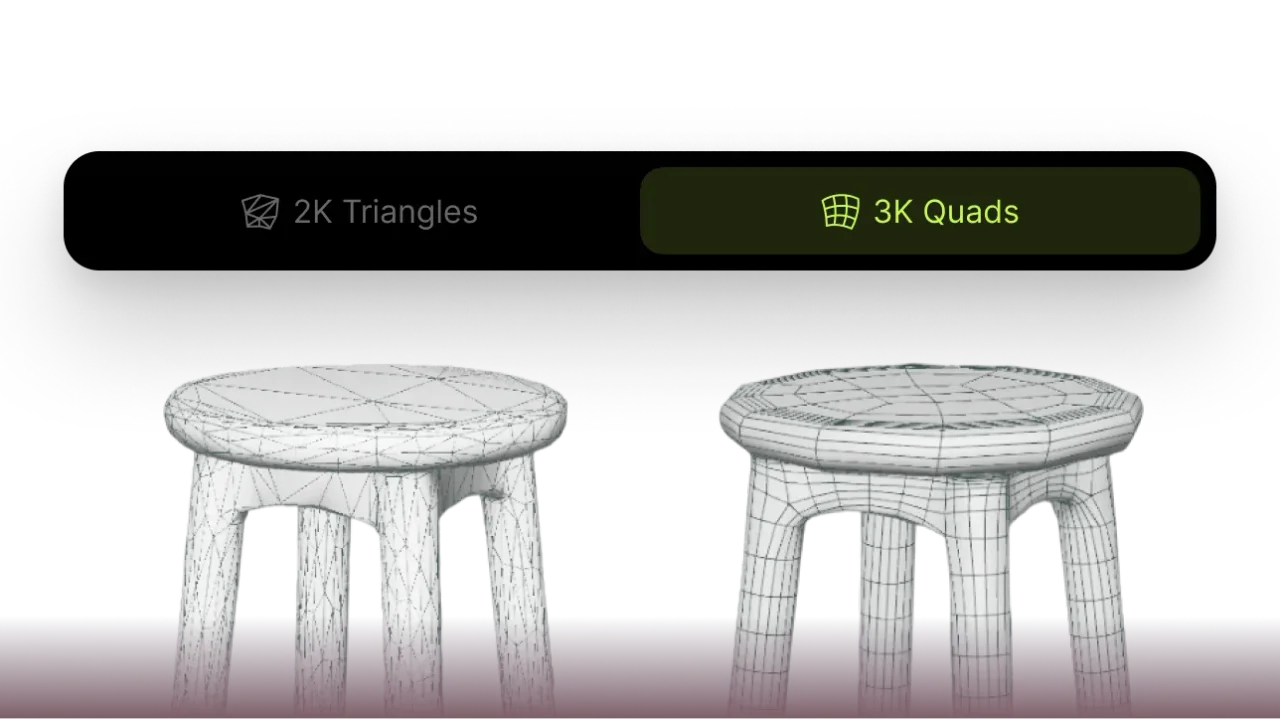
Branded merch & phygital
Design once → STL for physical merch + GLB for a digital/AR twin.
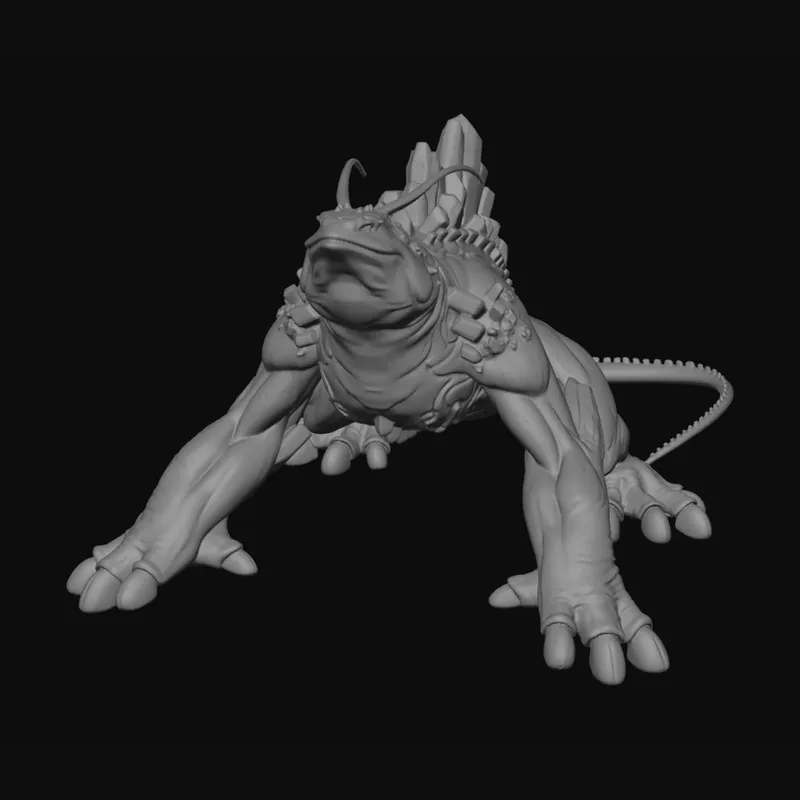
Pitch decks & explainers
On-brand bespoke 3D objects that lift a deck, in minutes.
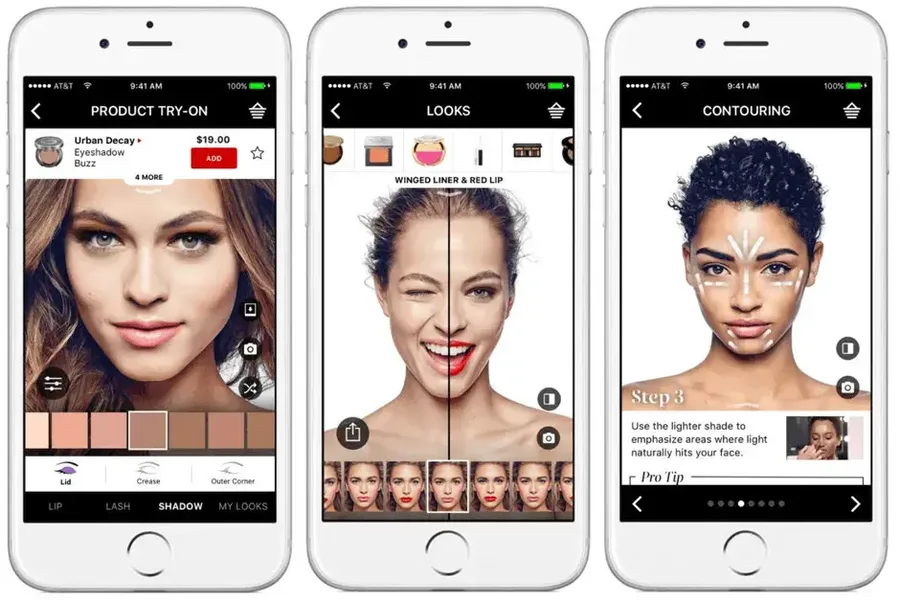
Experiential & AR filters
Asset pipeline for events, kiosks and social AR effects.
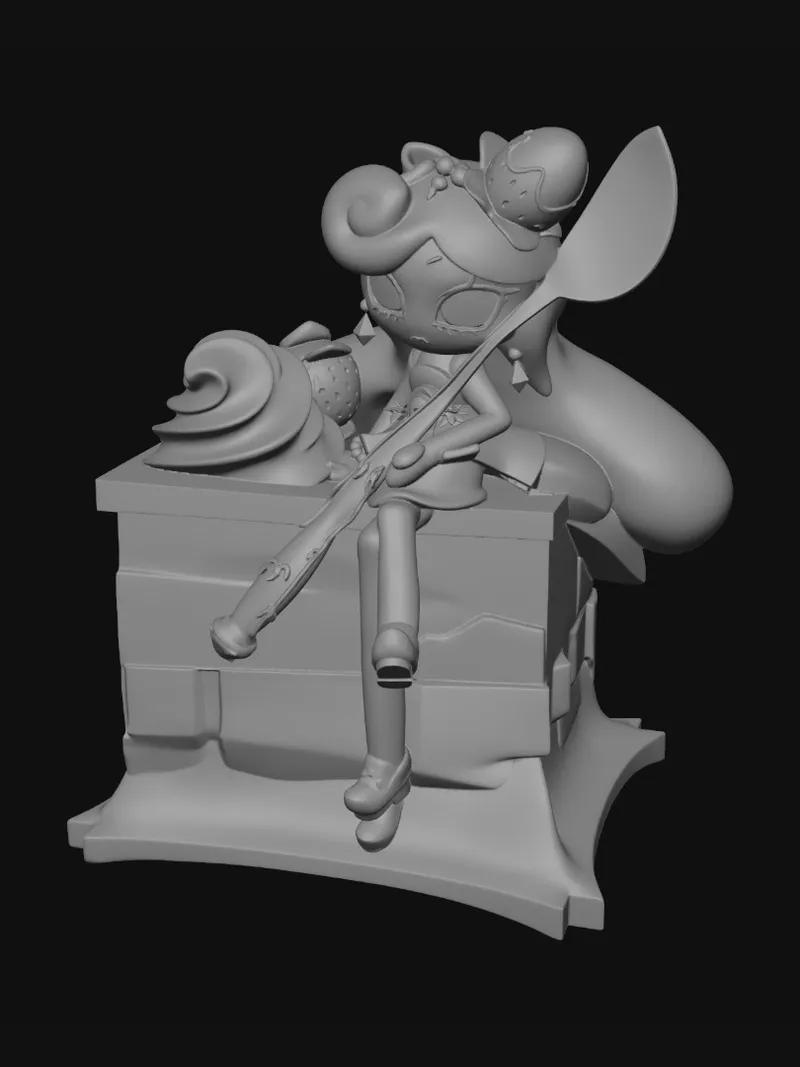
Prototyping & moodboards
20 variants of an idea, pick the strongest, finish by hand.
5 · 20 real examples in the wild
Twenty actual brands running 3D & AR in marketing. Each card: what it is, how it works, how they built it, what it solves, and the marketing benefit — and links to the real thing.
Warby Parker — Virtual Try-On
- What
- iOS eyewear try-on inside the shopping app.
- How it works
- Front camera tracks your face and renders each frame to scale, live, as you turn your head.
- How they built it
- Built on Apple ARKit + the TrueDepth face mesh, with a 3D model of every frame.
- Solves
- You can't tell online whether frames suit your face.
- Marketing benefit
- Buy-from-home confidence → higher online conversion and fewer wrong-style returns.
Sephora — Virtual Artist
- What
- AR makeup try-on across lips, eyes and cheeks.
- How it works
- Detects facial landmarks and overlays true-to-shade product in real time on your camera feed.
- How they built it
- Powered by ModiFace face-tracking AI.
- Solves
- Makeup shades are hard to test online (or hygienically in-store).
- Marketing benefit
- More shades trialled per session → bigger baskets and lower sampling cost.
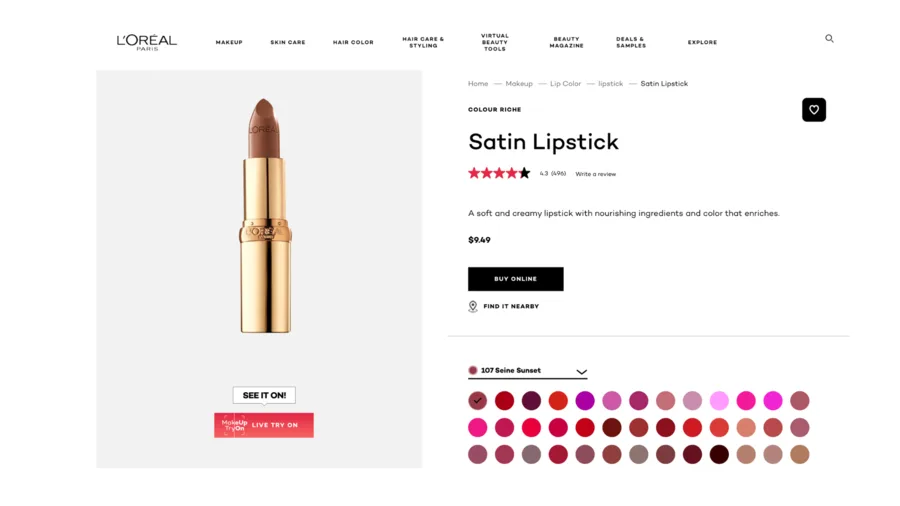
L'Oréal — Virtual Try-On
- What
- Live try-on for makeup and hair colour across the brand portfolio and retail partners.
- How it works
- Real-time camera AR maps colour onto lips, face and hair.
- How they built it
- Runs on ModiFace, the AR/AI company L'Oréal acquired.
- Solves
- Shade uncertainty across a vast SKU range.
- Marketing benefit
- Engagement + conversion at portfolio scale, plus first-party preference data.
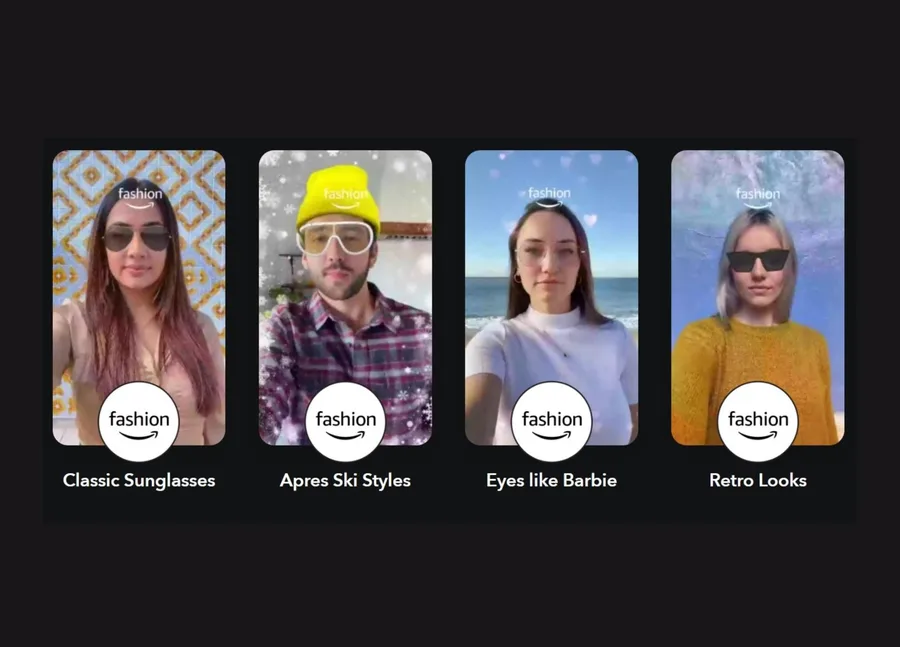
Amazon × Snap
- What
- Buy eyewear through a Snapchat AR shopping Lens.
- How it works
- Try frames on in the Snap camera, then tap straight through to buy on Amazon.
- How they built it
- Snap AR (Camera Kit) wired to Amazon's product catalogue.
- Solves
- Discovery-to-purchase friction inside social apps.
- Marketing benefit
- A shoppable AR surface in front of Snap's young audience — a new conversion channel.
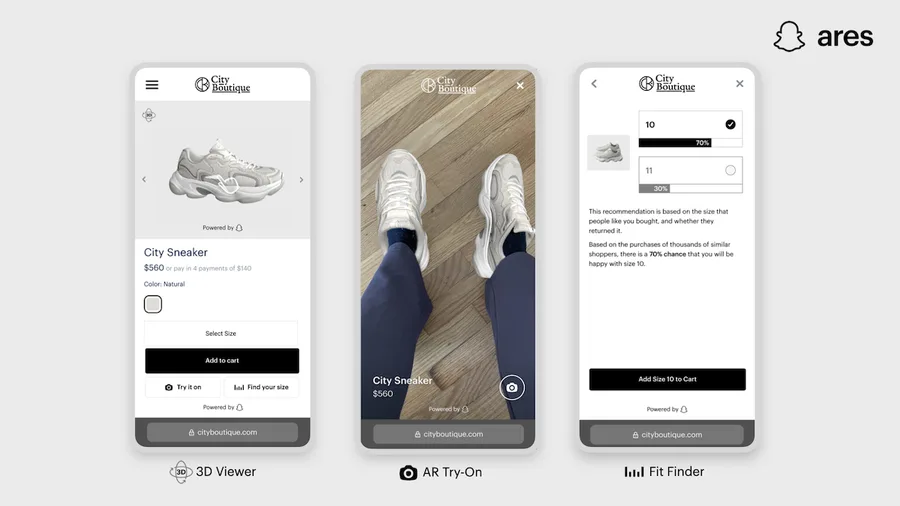
Snap AR — footwear (ARES)
- What
- Foot-tracking sneaker try-on Lenses.
- How it works
- Tracks both feet and renders shoes in 3D, to scale, in real time.
- How they built it
- Snap's AR Enterprise Services + brand-supplied 3D assets.
- Solves
- You can't try sneakers on when shopping online.
- Marketing benefit
- Try-on at Snap's reach → discovery and conversion for footwear brands.
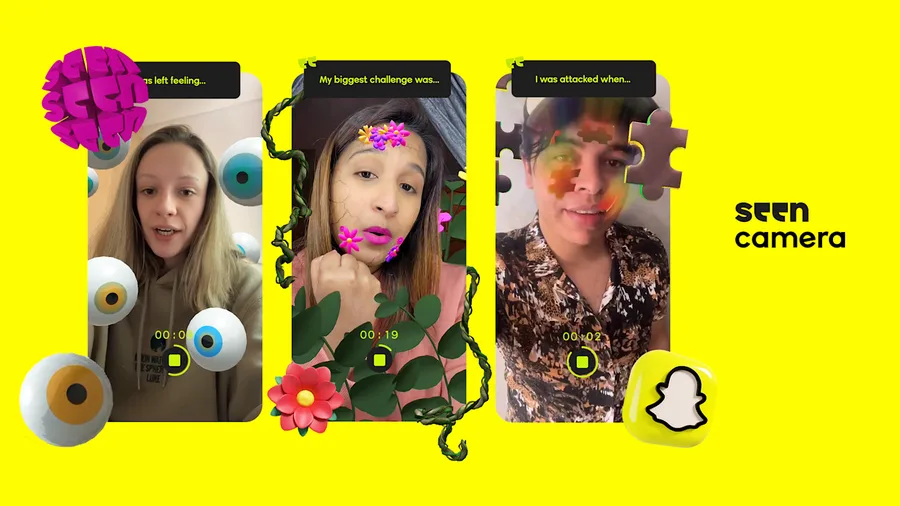
Snap AR — branded Lenses
- What
- Branded AR effects and mini-games in Snapchat.
- How it works
- Face, world and marker effects users play with and share to friends.
- How they built it
- Created in Lens Studio with brand creative.
- Solves
- Static social ads get scrolled past.
- Marketing benefit
- Billions of plays, earned reach and measurably higher brand recall.
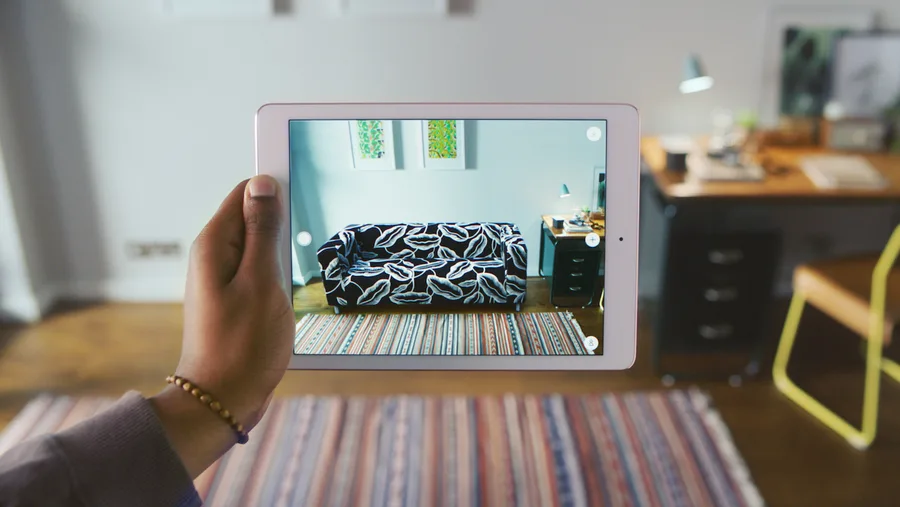
IKEA Place
- What
- AR app that drops IKEA furniture into your room.
- How it works
- Point your phone and place true-to-scale 3D products on the floor; walk around them.
- How they built it
- Built on Apple ARKit using IKEA's 3D product catalogue.
- Solves
- "Will it fit and look right in my space?"
- Marketing benefit
- Purchase confidence, fewer returns, and category-defining launch PR.
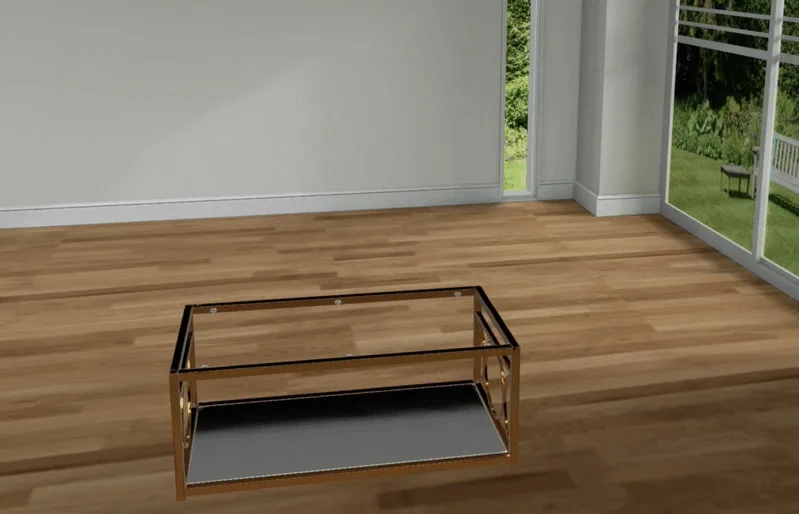
Wayfair — View in Room 3D
- What
- Place furniture in your room in 3D/AR before buying.
- How it works
- Camera places to-scale 3D models you can move and view from any angle.
- How they built it
- ARKit/ARCore on top of Wayfair's in-house 3D model pipeline (3D Cloud by Wayfair).
- Solves
- Uncertainty on big-ticket furniture purchases.
- Marketing benefit
- Higher conversion and materially lower return rates on furniture.
IKEA / SPACE10
- What
- IKEA's research lab exploring AR/3D home experiences.
- How it works
- Prototypes for AR room design, configuration and democratic design.
- How they built it
- SPACE10 design-and-technology research studio.
- Solves
- Future-proofing how people shop for the home.
- Marketing benefit
- Innovation positioning and the R&D pipeline behind IKEA Kreativ.
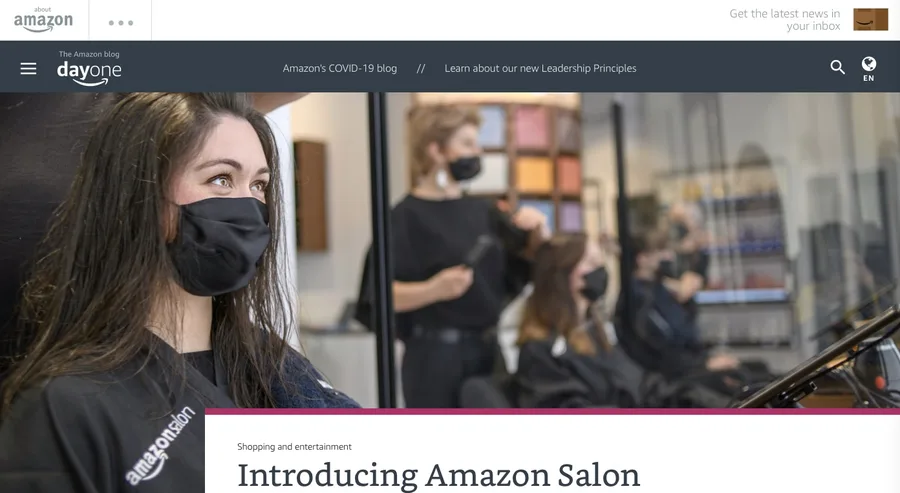
Amazon Salon
- What
- A London hair salon as an AR retail testbed.
- How it works
- Point-and-learn AR on products plus digital hair-colour try-on.
- How they built it
- AR displays and app integration in a physical space.
- Solves
- Bridging physical retail with digital product trial.
- Marketing benefit
- Experiential PR and a tech-forward brand signal.
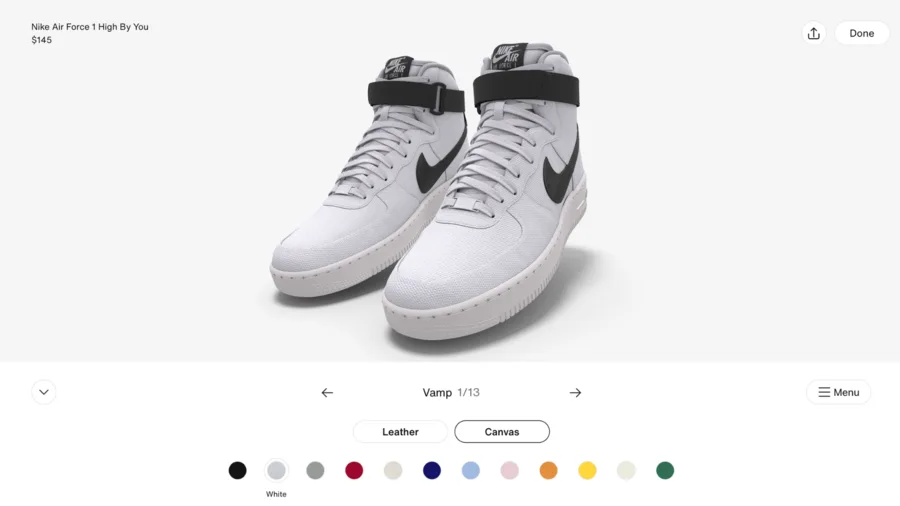
Nike By You
- What
- Online sneaker customiser.
- How it works
- Recolour and spec the shoe live in 3D, spin it, then buy your design.
- How they built it
- A real-time WebGL 3D configurator.
- Solves
- Shoppers want personal, one-of-one product.
- Marketing benefit
- Higher order value, deeper engagement and ownership that drives conversion.
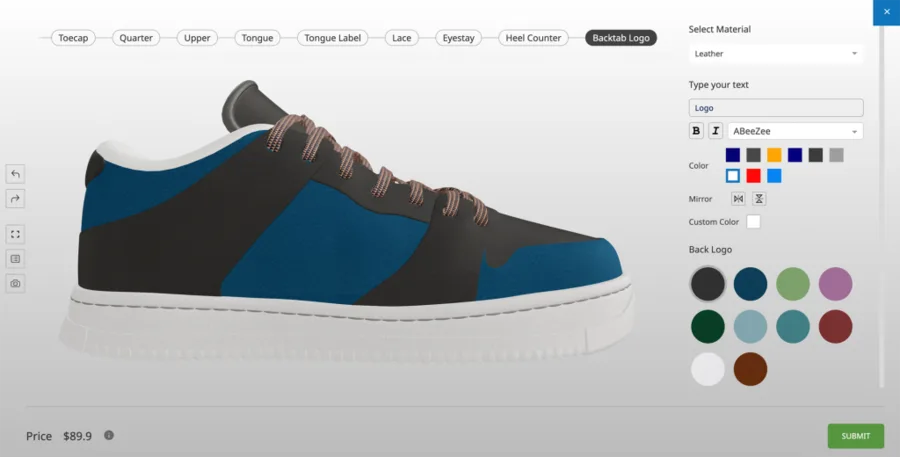
Footwear 3D configurator
- What
- White-label real-time shoe configurator.
- How it works
- Swap materials and colours on a 3D shoe instantly in the browser.
- How they built it
- WebGL / three.js with a model-viewer front end.
- Solves
- Showing endless variants without endless photoshoots.
- Marketing benefit
- Fewer photoshoots, more SKUs shown, and personalisation upside.
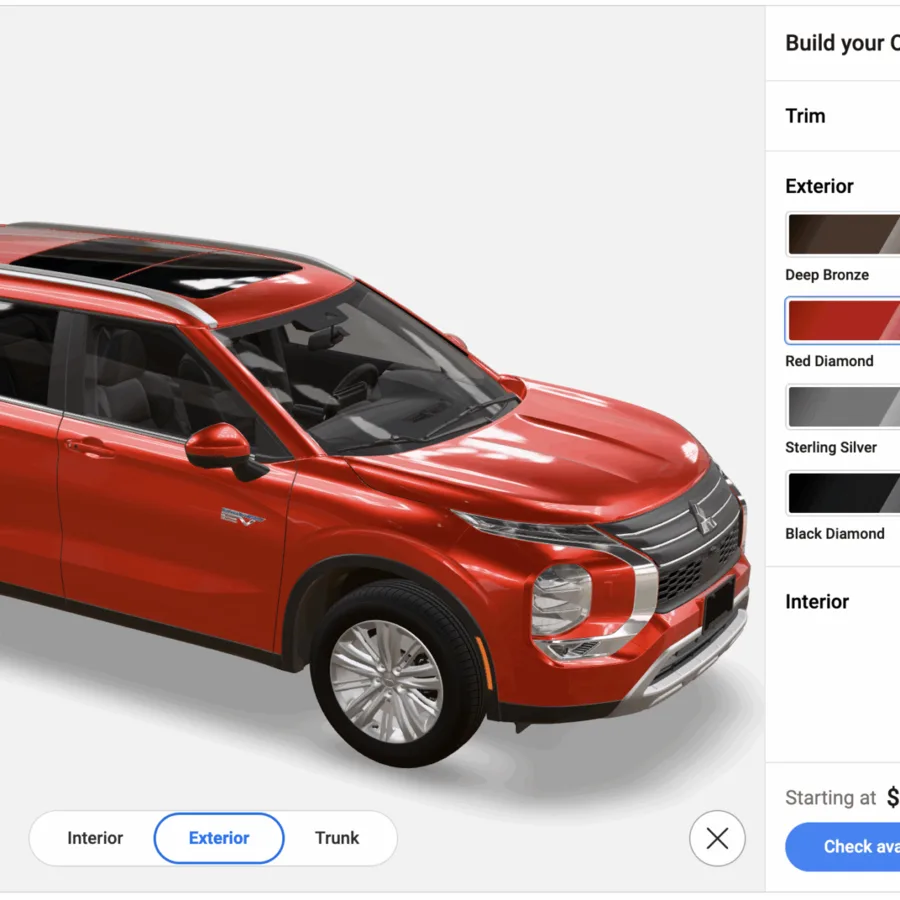
Mitsubishi configurator
- What
- 3D build-and-price car configurator.
- How it works
- Rotate, recolour and spec the vehicle in the browser.
- How they built it
- Real-time WebGL configurator.
- Solves
- You can't see your exact spec before visiting a dealer.
- Marketing benefit
- Longer sessions and better-qualified leads handed to dealers.
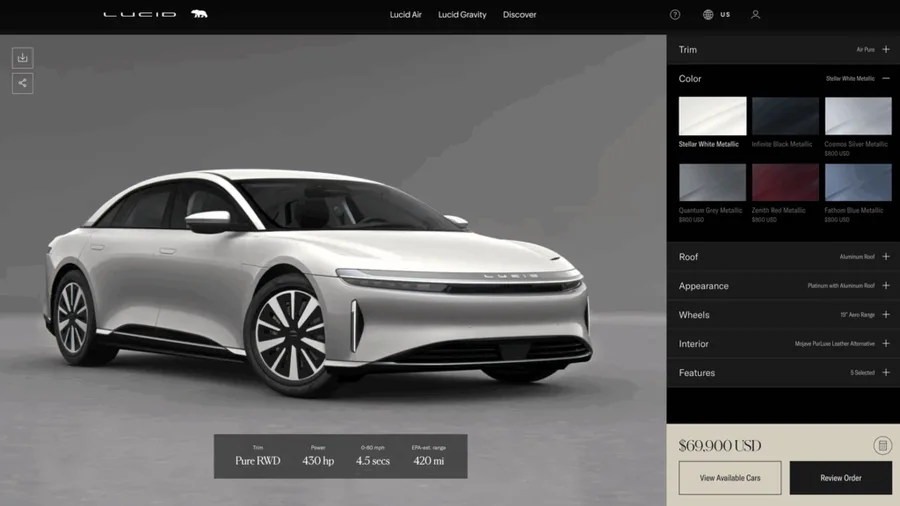
Lucid Motors
- What
- Photoreal online car configurator.
- How it works
- Build your car in real time on the brand site, near render-quality.
- How they built it
- A real-time 3D engine streaming high-fidelity visuals.
- Solves
- Premium EV buying happens online, direct-to-consumer.
- Marketing benefit
- A premium brand feel that converts high-ticket buyers without a showroom.
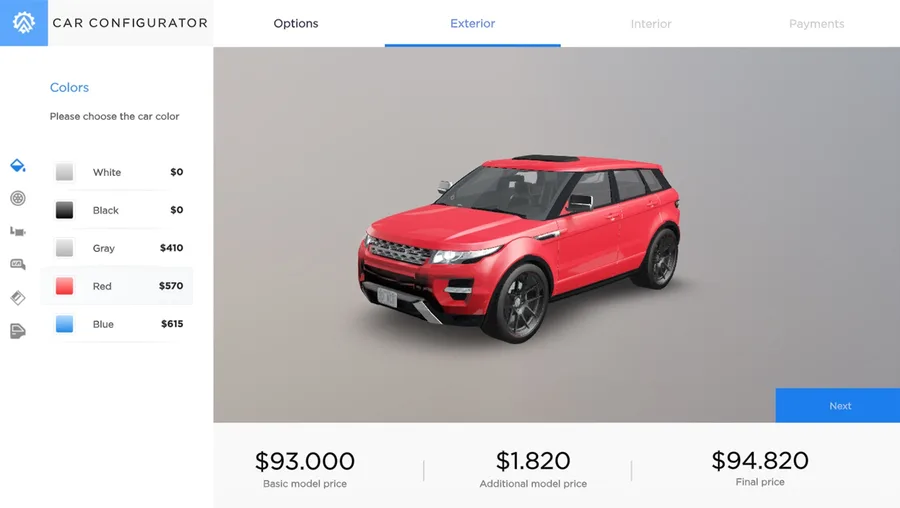
Automotive configurator
- What
- Bespoke browser car configurator build.
- How it works
- Live exterior and interior configuration with materials and lighting.
- How they built it
- Custom Unity / WebGL development.
- Solves
- Bringing dealer-grade configuration online.
- Marketing benefit
- Lead generation and dwell time on the brand site.
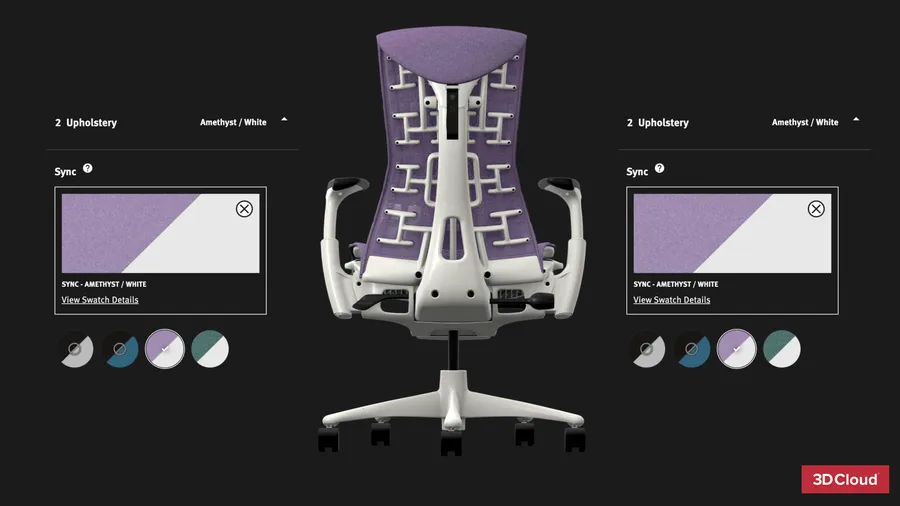
3D Cloud
- What
- Enterprise 3D/AR commerce platform.
- How it works
- Manages 3D assets and serves product viewers, room planners and AR across big retailers (Lowe's, Wayfair).
- How they built it
- The 3D Cloud platform and asset pipeline.
- Solves
- Producing and serving accurate 3D at retail scale.
- Marketing benefit
- Conversion lift and returns reduction at enterprise volume.
Sweef — furniture
- What
- DTC furniture e-commerce with 3D + AR.
- How it works
- Spin the product in 3D and place it in your room via AR.
- How they built it
- Google's <model-viewer> web component serving GLB / USDZ.
- Solves
- Visualising furniture in the buyer's actual space.
- Marketing benefit
- Confidence and conversion for a direct-to-consumer furniture brand.
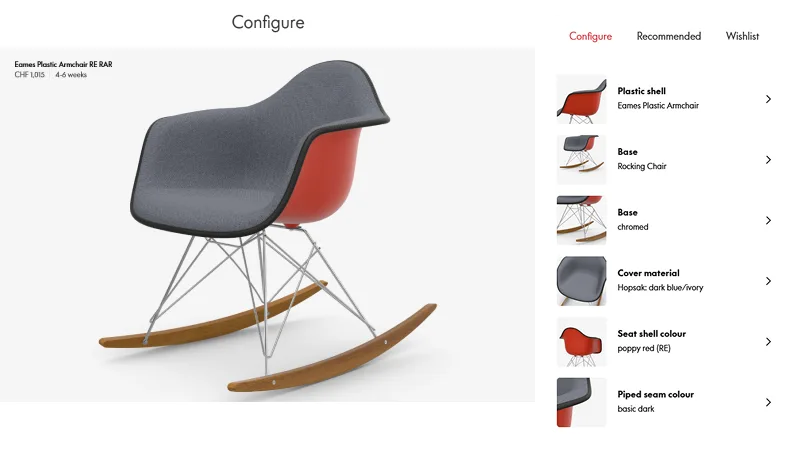
Emersya
- What
- High-fidelity 3D/AR product platform for brands.
- How it works
- Interactive 3D viewers and configurators with material swaps and AR.
- How they built it
- The Emersya real-time engine, fed from brand CAD.
- Solves
- Turning heavy CAD into fast, shoppable web 3D.
- Marketing benefit
- Immersive product pages that lift conversion and cut returns.
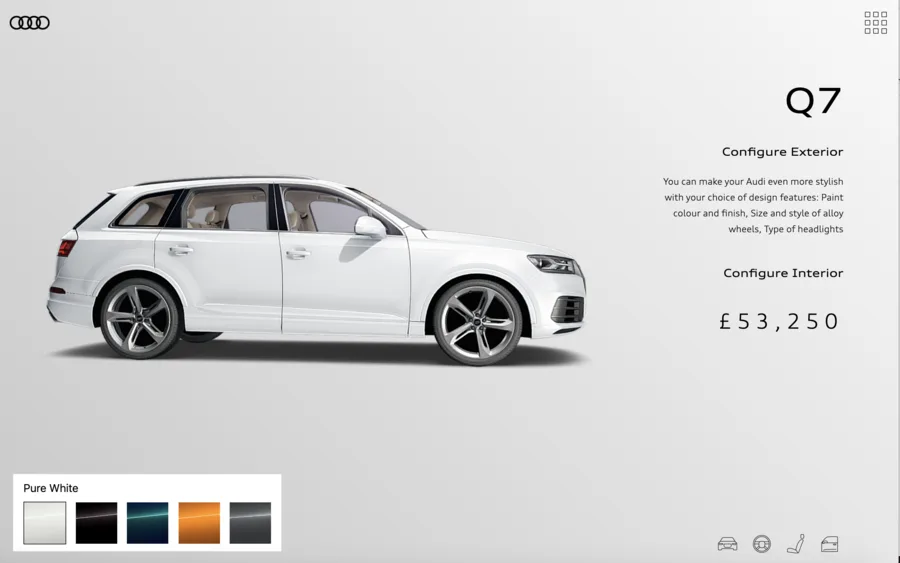
Sketchfab
- What
- The 3D model viewer and marketplace.
- How it works
- Embed interactive WebGL 3D — with AR — on any web page.
- How they built it
- The Sketchfab viewer (now part of Epic's Fab).
- Solves
- Hosting and embedding shoppable 3D without building a viewer.
- Marketing benefit
- Interactive product and campaign 3D anywhere, cheaply.
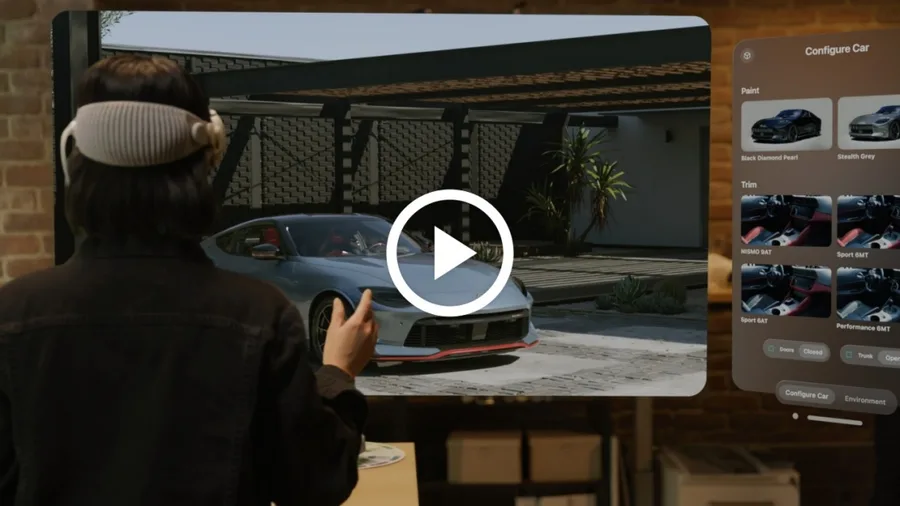
NVIDIA Omniverse
- What
- Photoreal real-time 3D product configurators.
- How it works
- Cloud-streamed, ray-traced configuration at near-render quality.
- How they built it
- NVIDIA Omniverse + OpenUSD with RTX real-time rendering.
- Solves
- Photoreal configuration at scale without pre-rendering every variant.
- Marketing benefit
- Hero-quality interactive experiences for premium brands.
And what it moves — directional figures from industry/vendor reports:
6 · Applied to Articulate
Three live-brief recipes. You never touch the API — hand me the input, get the output. SELL = the client can picture & buy; ANIMATE = a still turned into motion.
Stage a villa / listing roomSELL
Empty room → furnished, sellable render.
- Send me product photos of the furniture (or I source references).
- I run
sam_3_3d(1 credit/piece) orimage_to_3dper item. - I assemble + light the room in Blender.
- I render a hero still + a slow orbit/walkthrough.
- Restyle by swapping pieces (modern vs cosy).
| You give me | Room photo/dimensions + the look |
|---|---|
| You get back | Furnished render + walkthrough clip + the GLBs |
| Cost | ~5–10 credits + render |
| Turnaround | Half a day |
Watch for: One subject per photo — multiple pieces in one image fuse.
Animate the golddigger (or any character)ANIMATE
Static character → rigged, moving social loop.
- Send one clean full-body character image (or I generate it).
- I run
image_to_3dwithenable_rigging+pose_mode:t-pose+enable_animation+ ananimation_action_id(64 = dance). - Out comes a textured, rigged, animated GLB in one call.
- I render the loop to MP4/GIF or an interactive embed.
- Re-animate cheaply with
3d_rigging(8 credits).
| You give me | Character image/description + the action |
|---|---|
| You get back | Animated MP4 + GIF + the reusable rigged GLB |
| Cost | 38 credits · 8 to re-animate |
| Turnaround | Same day |
Watch for: Auto-rig is humanoid-only; faces weak — stylised works best.
Product turntable from one photoANIMATE
One product shot → spinning hero loop + AR.
- Send one product photo, plain background.
- I run
sam_3_3d(1) orimage_to_3d+PBR (30). - I auto-spin it (interactive viewer) and render a 5-sec MP4.
- Optional AR: GLB/USDZ opens 'view in your room' from a link.
| You give me | One product photo |
|---|---|
| You get back | 360° viewer + turntable MP4 + GLB/USDZ for AR |
| Cost | 1–30 credits |
| Turnaround | ~1 hour |
Watch for: Glass/chrome/transparent objects reconstruct worst.
How to brief me — the whole interface is one message
No credits, no parameters at your end. Send one of these:
- An image — "make this a 3D model."
- An image + an action — "rig this and make it walk / dance."
- A brief — "furnish this villa room and give me a walkthrough."
Try it: paste a product or furniture photo and say "model this." The armchair demo took one photo and ~2 minutes.
What it costs (measured)
| Job | Model | Credits |
|---|---|---|
| Object / prop / furniture (textured) | sam_3_3d | 1 |
| Mesh, textured + PBR | image_to_3d | 30 |
| Multi-view textured (2–4 angles) | multi_image_to_3d | 30 |
| Character: textured + rigged + animated | image_to_3d | 38 |
| Re-rig / re-animate an existing model | 3d_rigging | 8 |
7 · Alternatives
Meshy isn't the only option — pick the right tool per job.
| Tool | Known for | Edge |
|---|---|---|
| Meshy | Best all-round balance; strongest for 3D printing; text+image→3D, PBR, rig, animate. What we have wired in. | All-round + print |
 Tripo AI Tripo AI | Fastest, most feature-rich workflow (rig + animate); v3.1 geometry rivals Meshy. | Speed + full workflow |
 Rodin / Hyper3D Rodin / Hyper3D | Cited for the best raw geometry — cleaner topology for hard-surface. | Geometry quality |
 Hunyuan3D (Tencent) Hunyuan3D (Tencent) | Strong image-to-3D detail; open-weights you can self-host. | Detail + open |
 TRELLIS (Microsoft) TRELLIS (Microsoft) | Free, open-source; good for web 3D and experimentation. | Free / open |
 Luma Genie Luma Genie | Consumer text-to-3D; fast ideation, lighter pro control. | Quick ideation |
Where it strains — set the client's expectation
| Limit | Practical effect |
|---|---|
| One subject per image | Two chairs in one photo fuse — feed one object per call. |
| Hard-surface edges soften | Precise mechanical geometry goes slightly 'melted'. |
| Faces & hands weak | Stylised characters work; photoreal hero faces don't. |
| Reflective / transparent | Glass, chrome and mirrors reconstruct poorly. |
| Draft-grade, not AAA | Great for staging, AR, social, previz; a human finisher for the hero 20%. |